Research & supplementsPrecision nutrition and AI: what NIH is studyingWhy do people respond differently to the same food? Nutrition for Precision Health investigates this question, while clinical personalisation still needs evidence.Read the guide ↗
Research & supplementsUltraprocessed food: what the 2025 UPDATE trial foundA controlled trial compared two diets meeting UK dietary guidelines. Its weight findings are informative, but packaged foods cannot all be treated as equivalent.Read the guide ↗
Research & supplementsVitamin D and telomeres: understanding VITAL 2025A cellular marker is not proof of longer life. Here is what was measured and why the finding does not justify self-prescribing supplements.Read the guide ↗
Research & supplementsCreatine and the brain: the 2026 sleep-loss studyA small experiment suggests effects on certain cognitive tests during sleep deprivation. It is a research signal, not a replacement for rest.Read the guide ↗
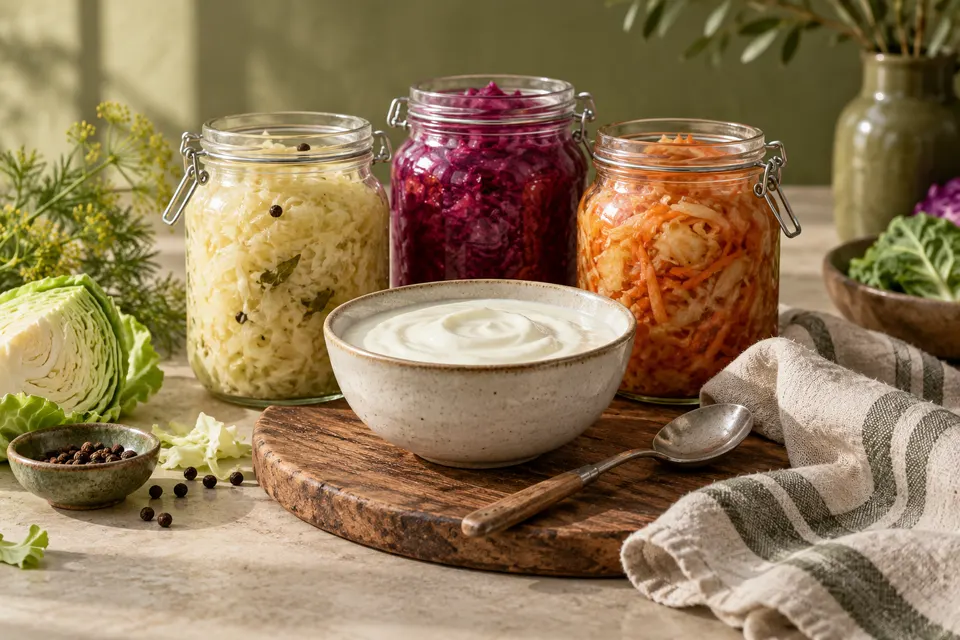
Research & supplementsProbiotics and the microbiome: why the strain mattersMicrobiome research is promising, but more billions do not automatically mean more benefit. Fermented foods and supplements are not interchangeable.Read the guide ↗
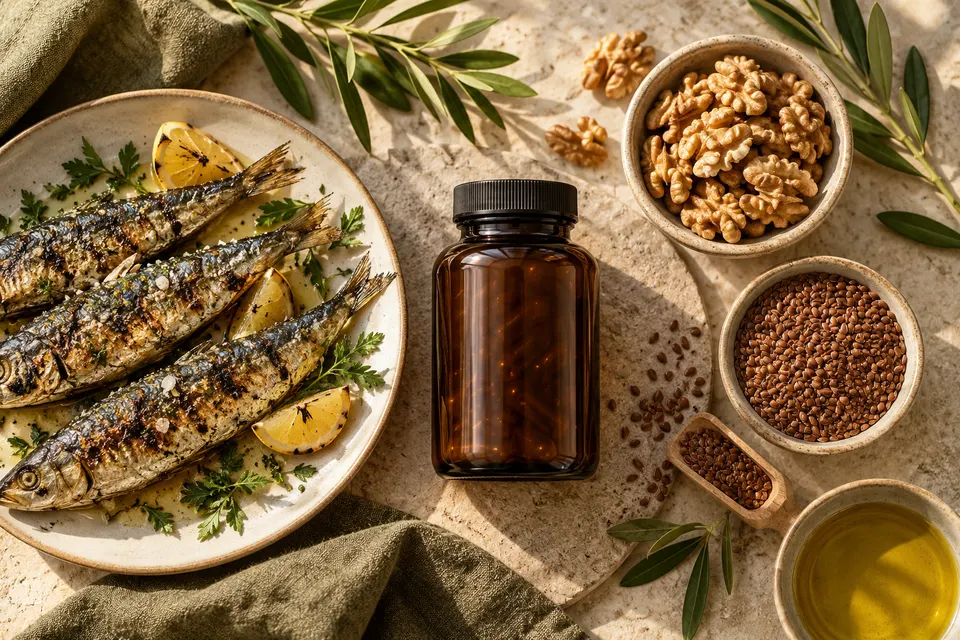
Research & supplementsOmega-3 and ageing: understanding DO-HEALTHA 2025 analysis observed small changes in some epigenetic clocks. A biological marker cannot establish that a supplement extends life.Read the guide ↗
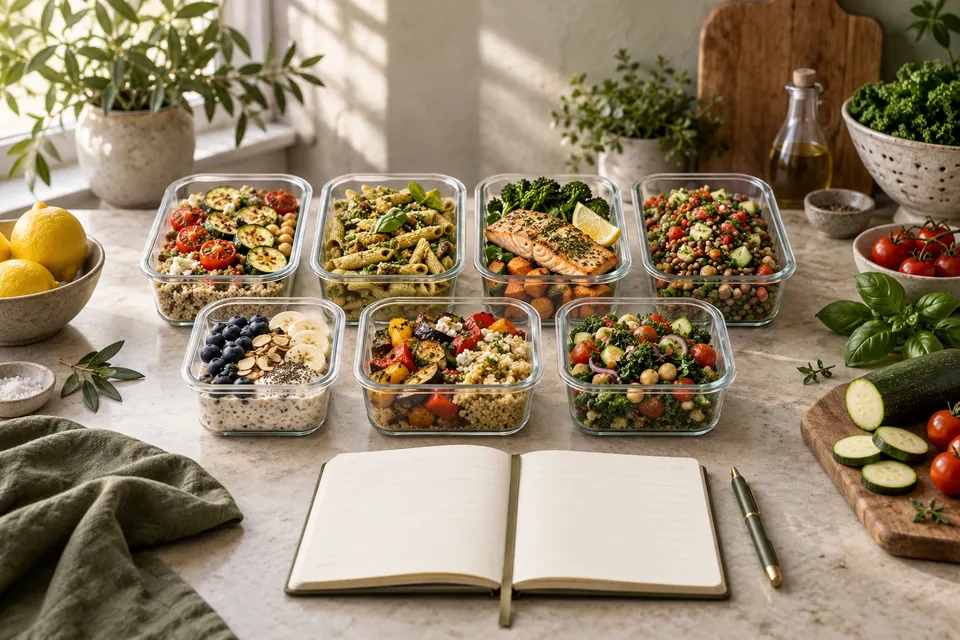
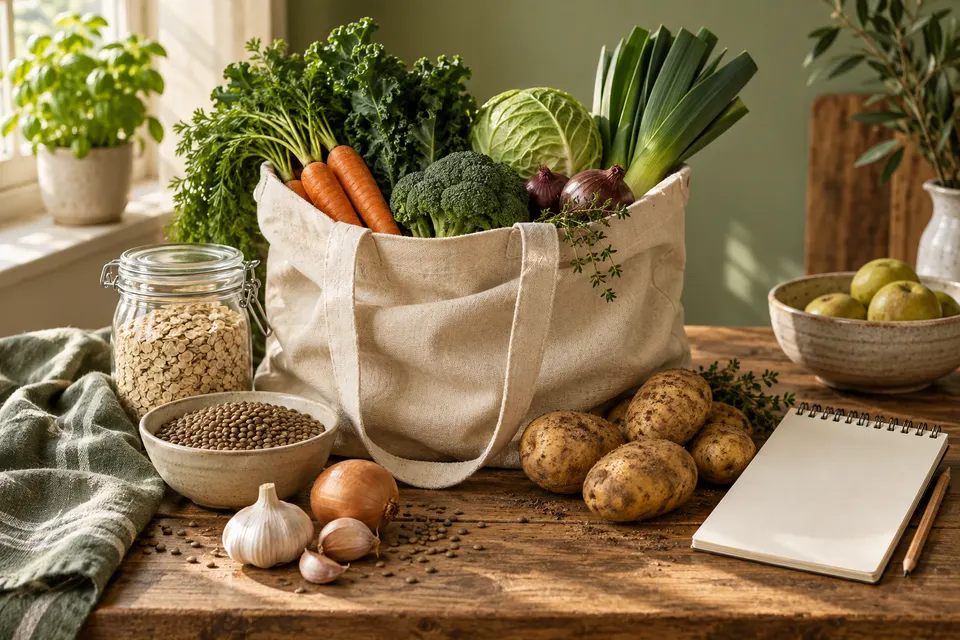
PlanningWeekly meal planning: from a menu to a grocery listA useful meal plan starts with your real schedule. This practical method connects seven days of meals with a manageable grocery list, without turning every dinner into a new project.Read the guide ↗
EnergyCalories and kcal: understanding your daily energy needsCalories measure energy, not the overall quality of a food. Separating resting metabolism from total daily needs helps you use a calculator without treating an estimate as a prescription.Read the guide ↗
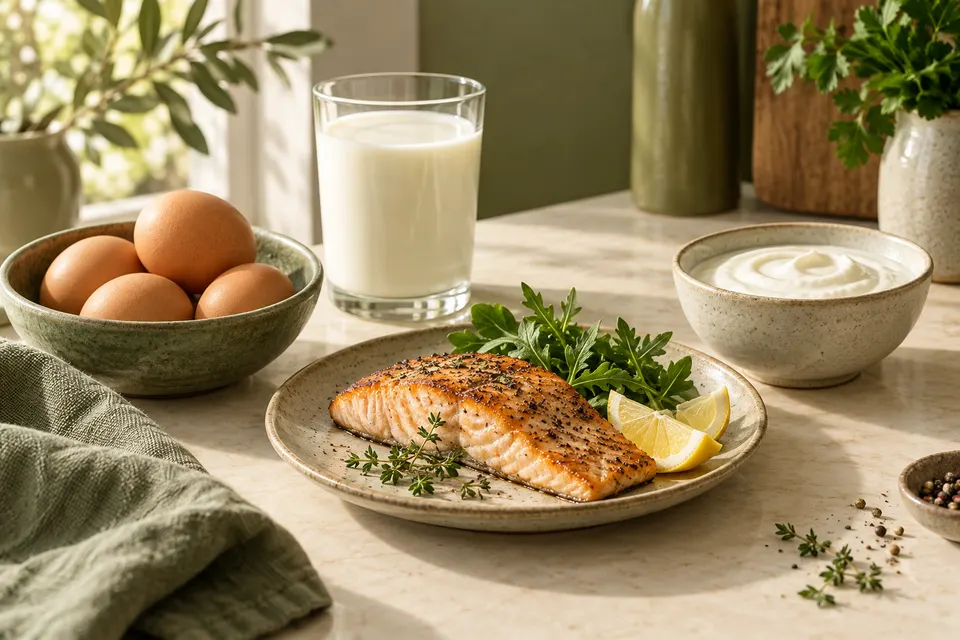
MacronutrientsMacronutrients explained: protein, carbohydrate and fatMacronutrients are dietary components needed in relatively large amounts. Tracking grams can be useful, but does not by itself describe variety, fibre or overall nutritional adequacy.Read the guide ↗
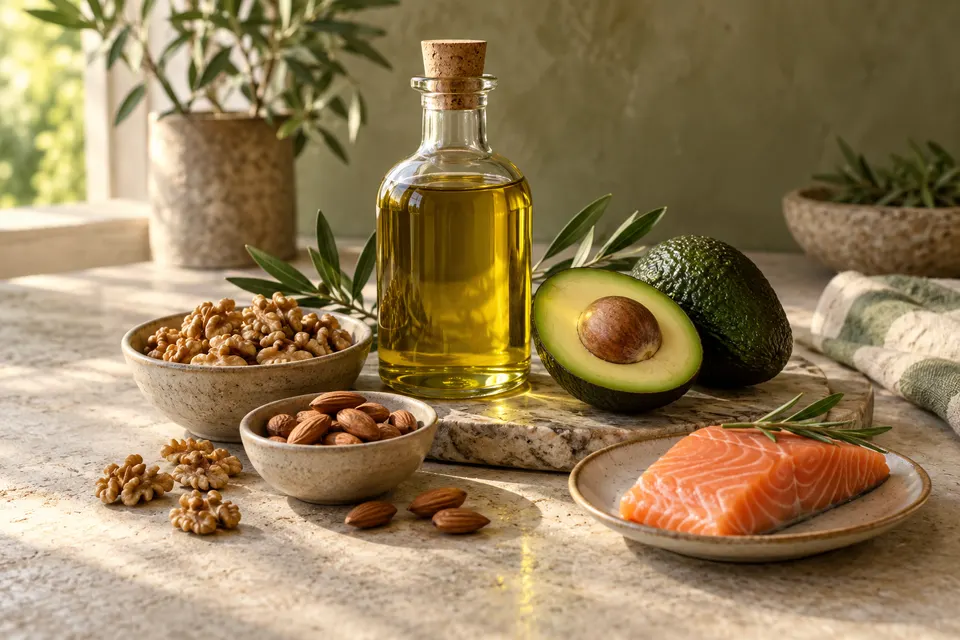
Eating wellDietary fats and balanced diets: what really mattersFat in food and body fat are not the same thing. Before choosing a diet, consider food quality, energy balance and how well the plan fits your circumstances.Read the guide ↗
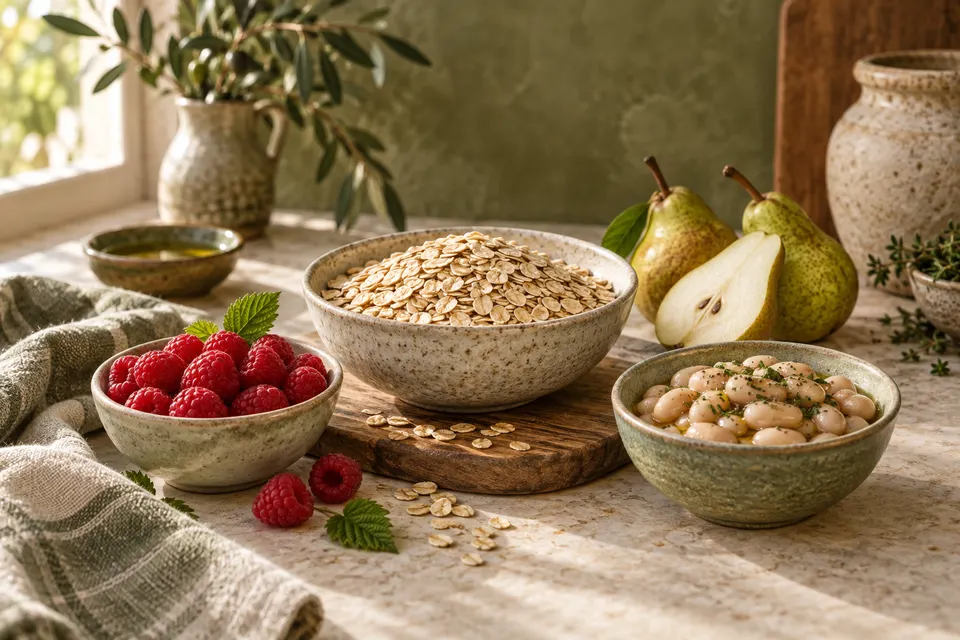
MacronutrientsDietary fibre: daily intake and everyday food sourcesHow to add fibre using ordinary foods, understand label quantities and distinguish population guidance from individual needs.Read the guide ↗
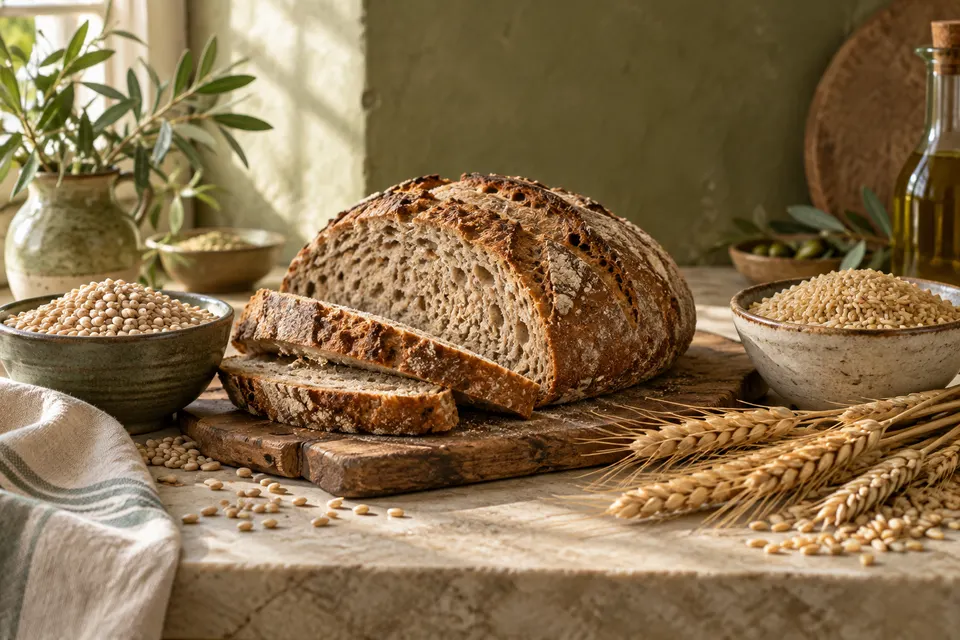
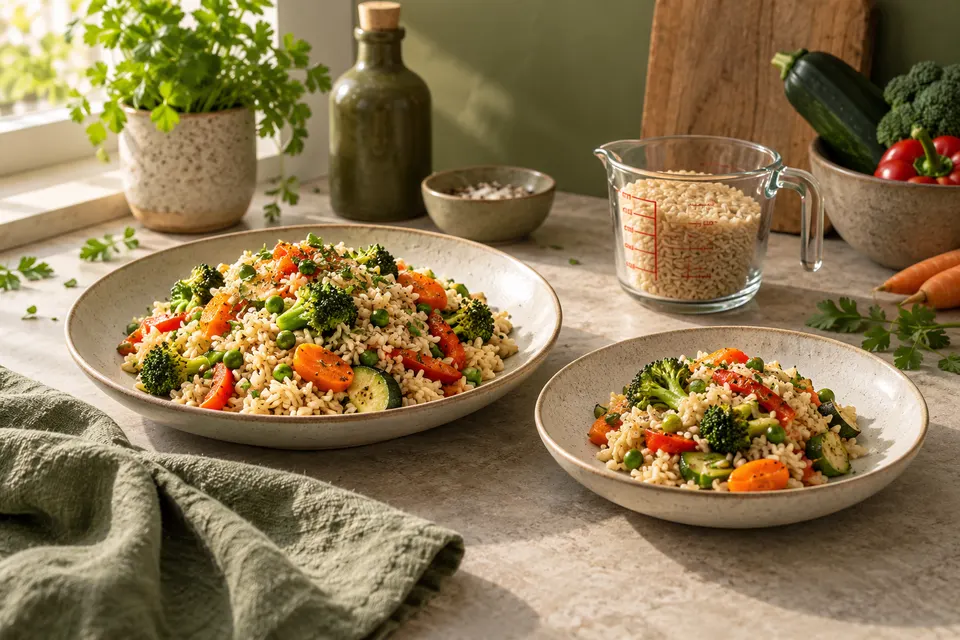
Eating wellWhole grains: choosing bread, pasta and riceWhole grain does not mean calorie-free. Compare ingredients, fibre and quantities instead of relying only on packaging colour.Read the guide ↗
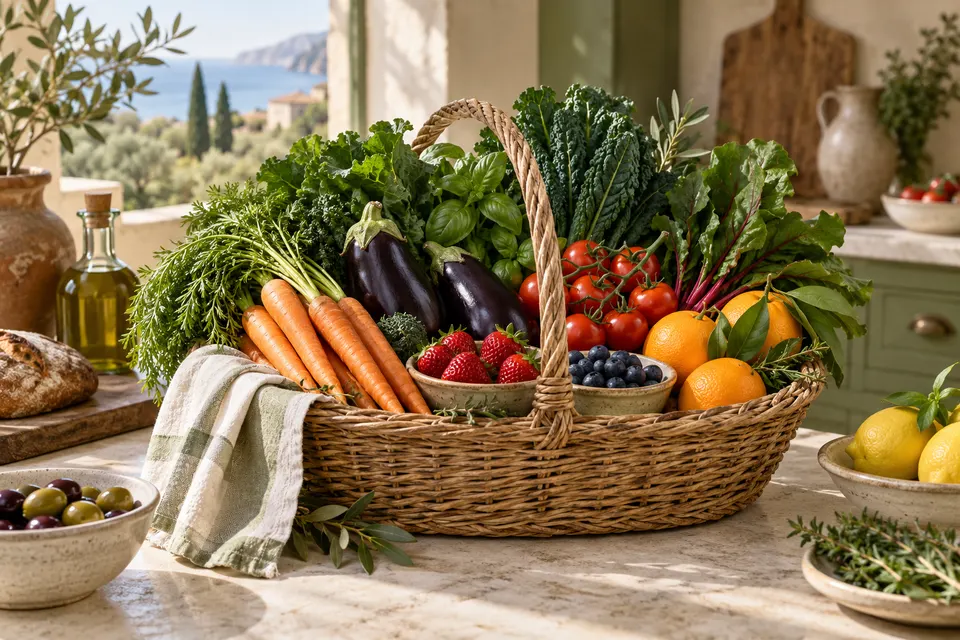
Eating wellFruit and vegetables: fitting them into your dayAn adult reference point, practical combinations and ways to choose between fresh, frozen and canned produce.Read the guide ↗
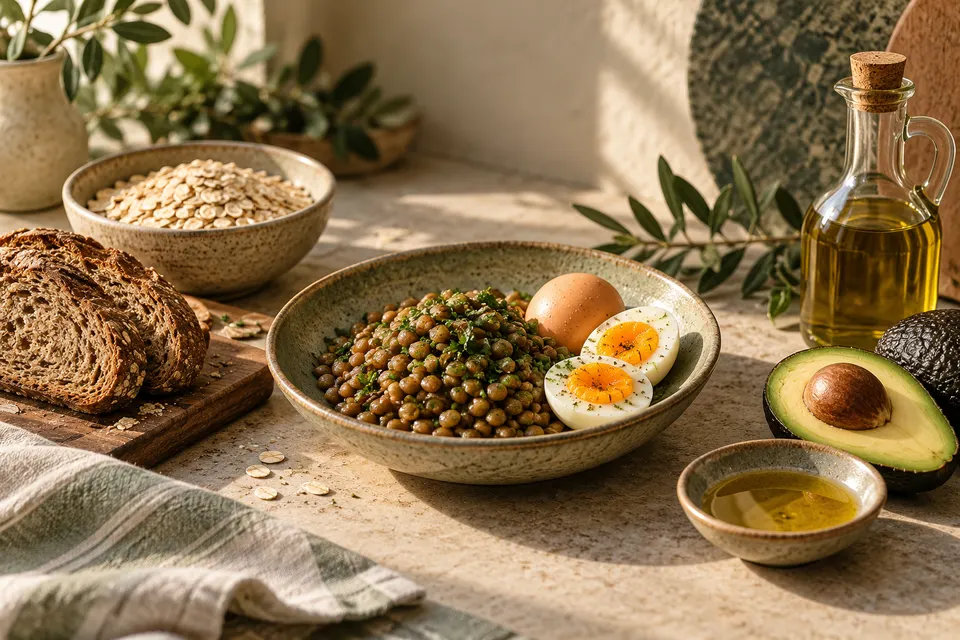
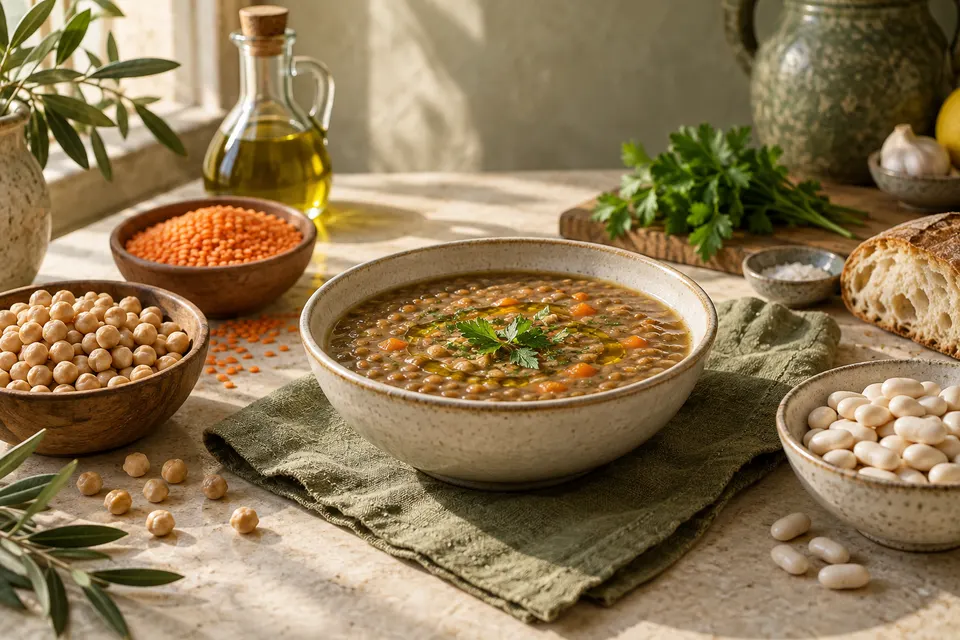
MacronutrientsPulses: using beans and lentils in weekly mealsChickpeas, lentils and beans can diversify protein choices. Learn how to use them in recipes and compare quantities consistently.Read the guide ↗
Eating wellWater and hydration: how much should you drink?Fluid needs change with activity, environment and health. Understand general advice without turning it into a rigid personal quota.Read the guide ↗
Eating wellSalt and sodium: understanding nutrition labelsThe difference between salt and sodium, a worked conversion and practical changes to reduce salt while enjoying your meals.Read the guide ↗
EnergyFree, added and total sugars: what is the difference?Understand the sugars described in dietary guidance and why “no added sugar” does not automatically mean “sugar-free”.Read the guide ↗
PlanningHow to read nutrition labels without confusionPer-100-g values, servings and reference intakes: a practical method for comparing products and understanding the amount you actually eat.Read the guide ↗
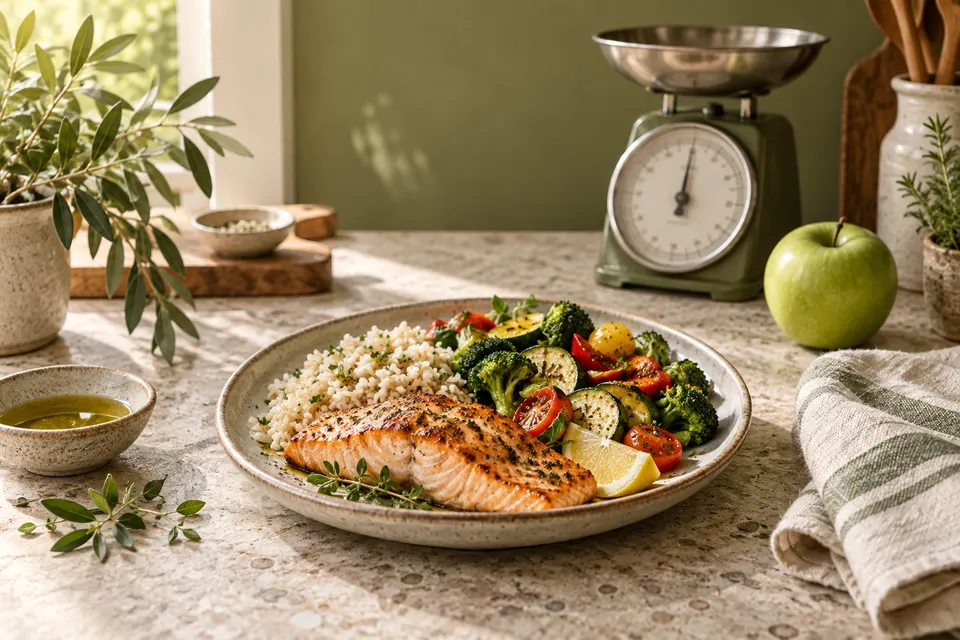
EnergyFood portions: servings, packages and cooked weightA manufacturer’s serving is not a personal prescription. Understand it and divide shared recipes consistently.Read the guide ↗
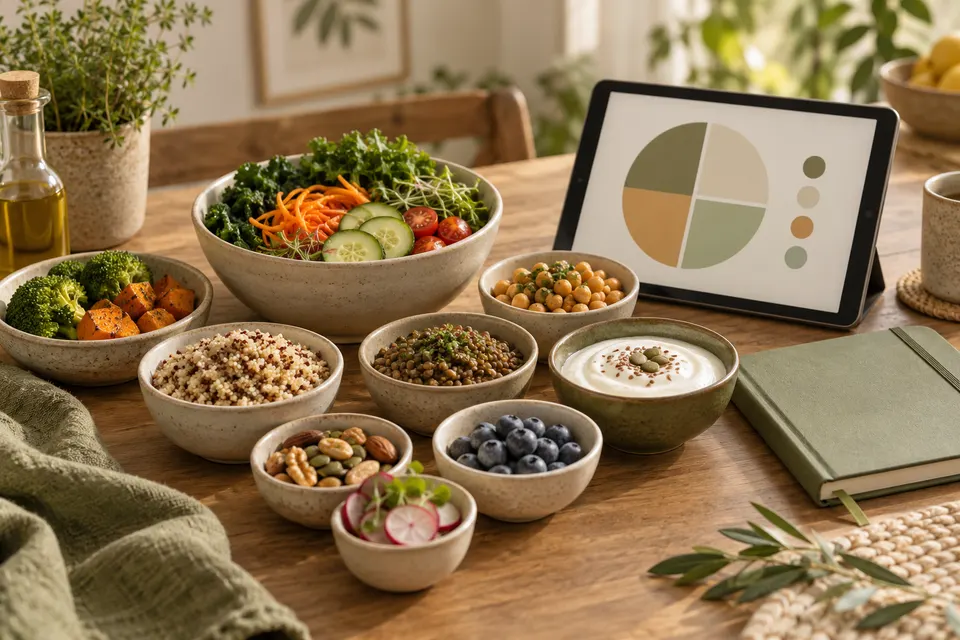
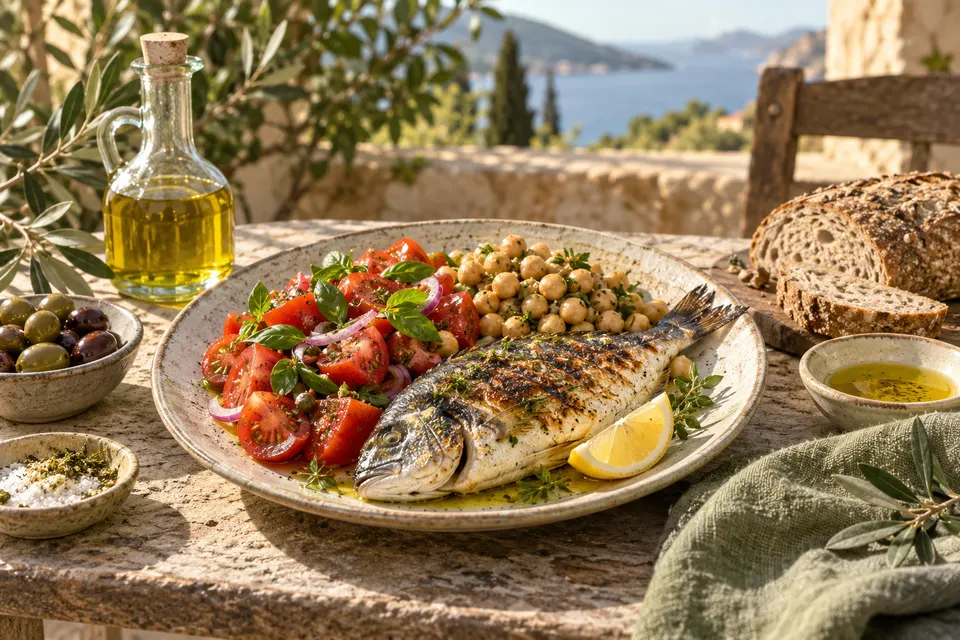
Eating wellMediterranean diet: turning a pattern into everyday mealsAdapt a dietary pattern to real life with varied plant foods, protein sources and fats, without a universal menu or weight-loss promises.Read the guide ↗
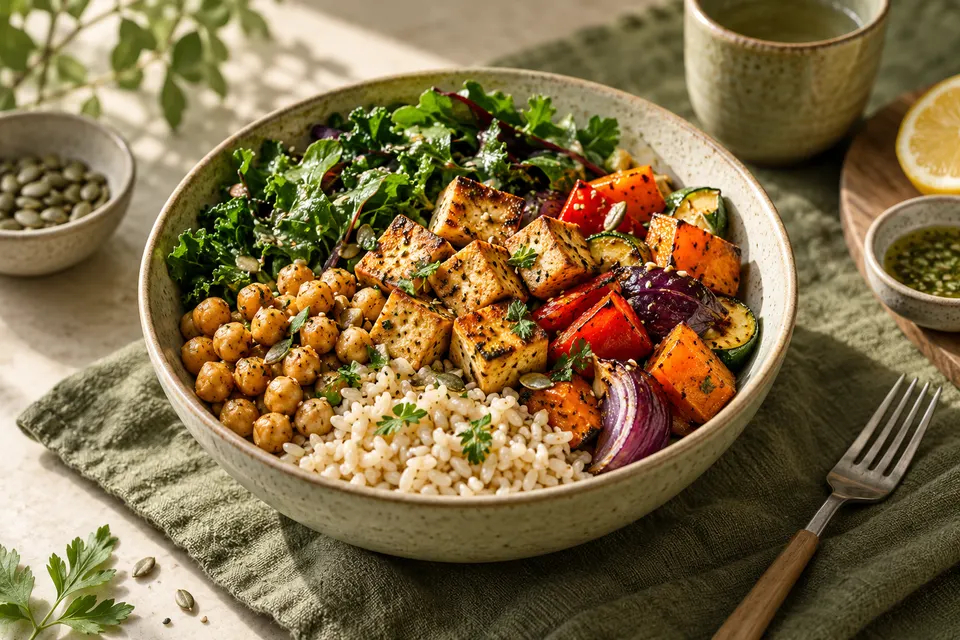
Eating wellVegetarian eating: what to plan beyond proteinVariety, iron and vitamin B12 deserve attention when reducing or removing meat and fish. Learn which choices need a closer look.Read the guide ↗
Vitamins and mineralsVitamin B12 and vegan diets: reliable sources and limitsUnfortified plant foods are not a reliable vitamin B12 source. Learn what to check on labels and when to seek individual advice.Read the guide ↗
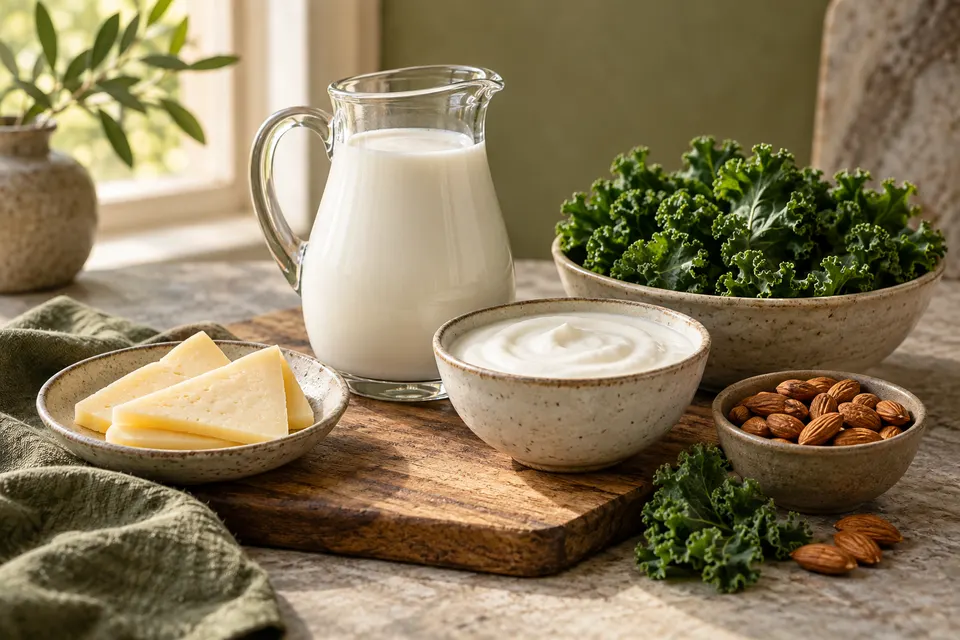
Vitamins and mineralsCalcium in foods and plant-based drinksDairy, fortified products and other sources: compare calcium labels without assuming all milk alternatives are equivalent.Read the guide ↗
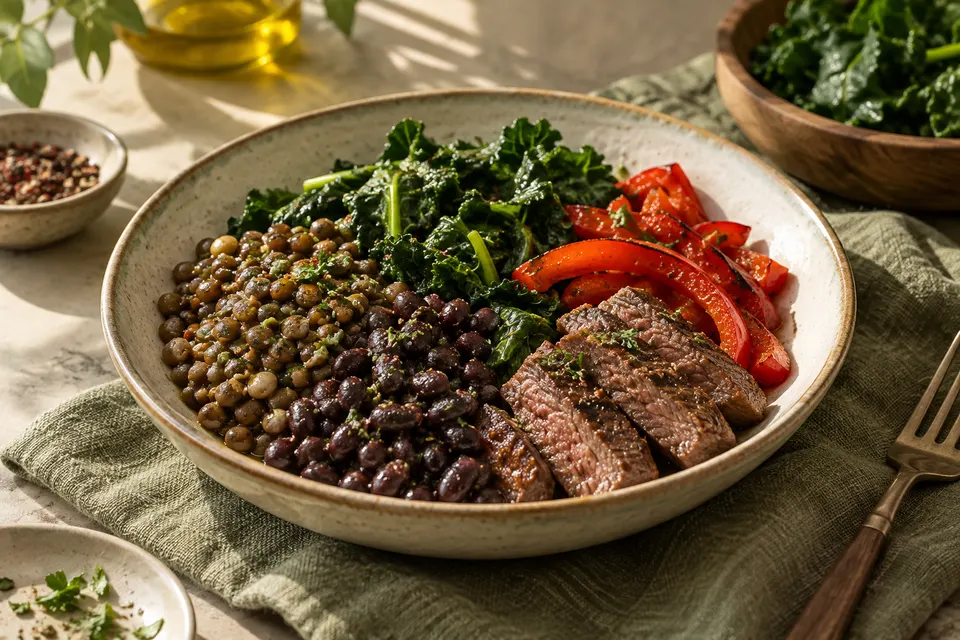
Vitamins and mineralsIron in food: sources and the role of vitamin CPlant and animal food sources do not provide iron that is absorbed in exactly the same way. Practical examples without self-diagnosing deficiency.Read the guide ↗
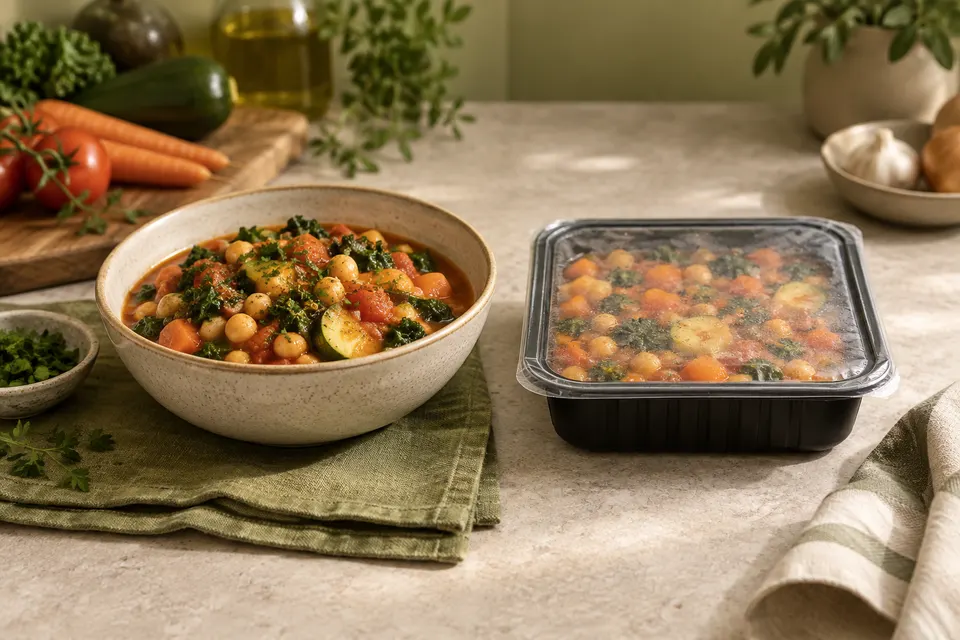
PlanningMeal prep: preparing and storing food safelyCooking ahead needs a cooling, refrigeration and freezing plan. Correct calorie estimates do not make poorly stored food safe.Read the guide ↗
PlanningEating well on a budget: shopping and less wasteCompare the cost of food you actually use, and connect purchases to meals you will realistically prepare.Read the guide ↗