The lowest price is not the whole story
EPA recommends checking supplies and planning before shopping to reduce waste. A large package can be cheaper per kilogram yet poor value if part is discarded. Consider how many people will eat at home and how much safe storage space you actually have available.
A simple cost comparison
Illustrative example: you spend 4 currency units on a kilogram but use only half; the cost per kilogram consumed becomes 8. A smaller package can therefore make sense. For canned or trimmed foods, compare the amount that is actually edible, rather than just the total package weight.
Ingredients for more than one recipe
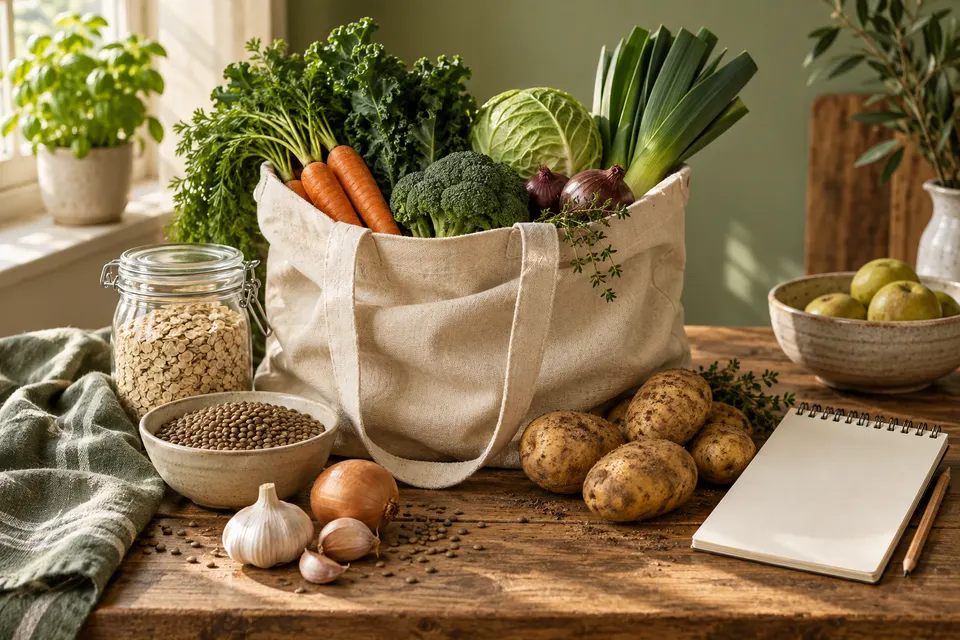
Choose a base usable in two preparations, such as lentils for soup and a grain dish. Change vegetables or seasonings without multiplying purchases. Keep a small supply of shelf-stable foods you know how to use, rather than a cupboard full of products bought only because they were discounted.
Reduce waste safely
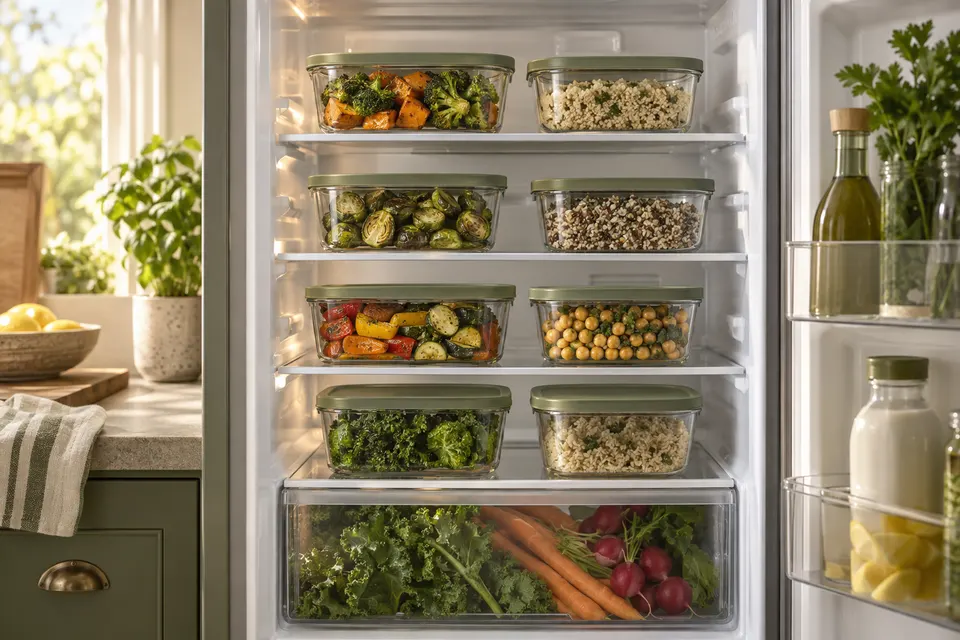
Make foods needing earlier use visible, date containers and freeze suitable foods in good time. Saving money does not mean ignoring safety dates or keeping leftovers too long. After a week, compare your list with unused food and adjust the next purchase instead of automatically repeating the same quantities.