Eating fat does not automatically mean gaining fat
Fat provides energy and belongs in the diet. Weight changes reflect energy balance over time alongside individual factors, not a single food. A fat-free product can still contain calories. Look at the portion and composition rather than relying on a front-of-pack slogan.
The type of fat also matters
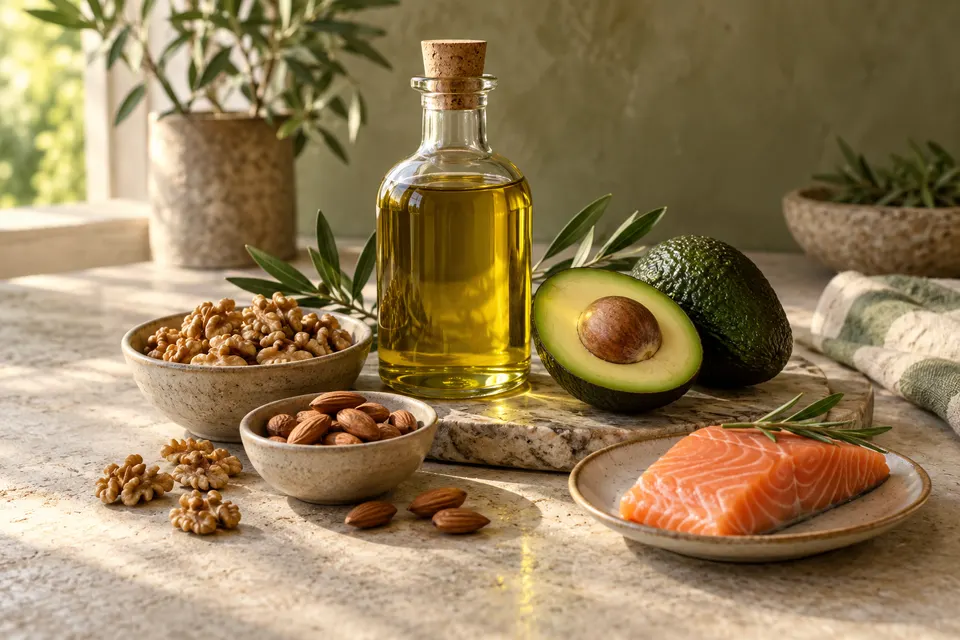
WHO recommends favouring unsaturated fats over saturated and trans fats. Sources include olive oil, nuts and fish; portions still matter. One practical change is to replace some condiments rich in saturated fat while keeping meals enjoyable and varied.
Evaluate a diet beyond its name
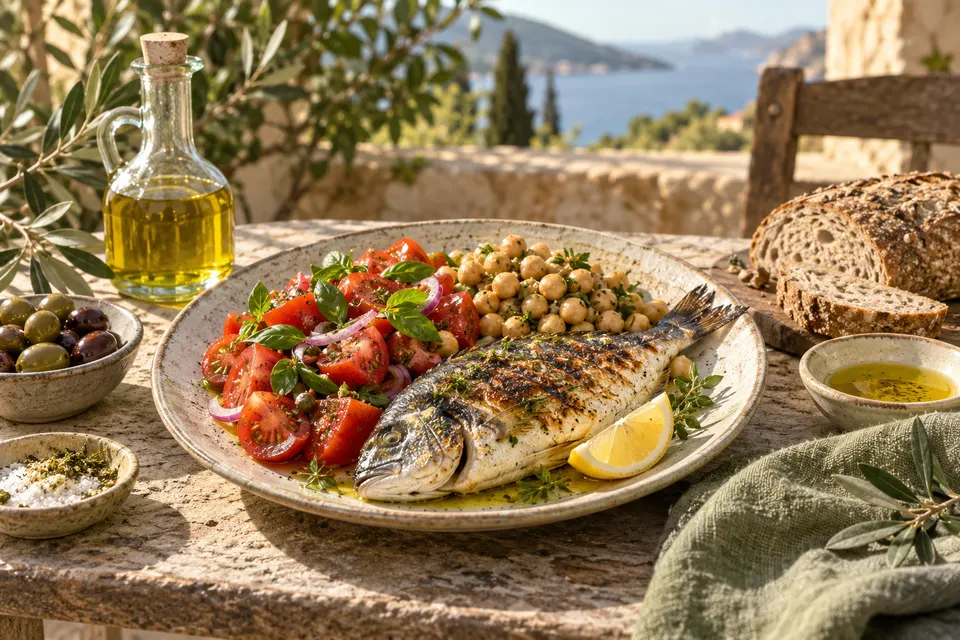
Mediterranean, vegetarian or another label does not describe every portion or meal’s quality. Ask whether the plan fits your culture, budget and schedule, and how it meets nutritional needs. Be wary of guaranteed rapid results, universal exclusions and promises of fat loss from one particular area.
Choose changes you can evaluate
Plan some familiar meals, make a shopping list and review what works. Online guidance does not assess medicines, tests or medical history. Therapeutic diets and difficulties with eating call for qualified support. The sources below can help distinguish information from promotion.