What do pulses contribute?
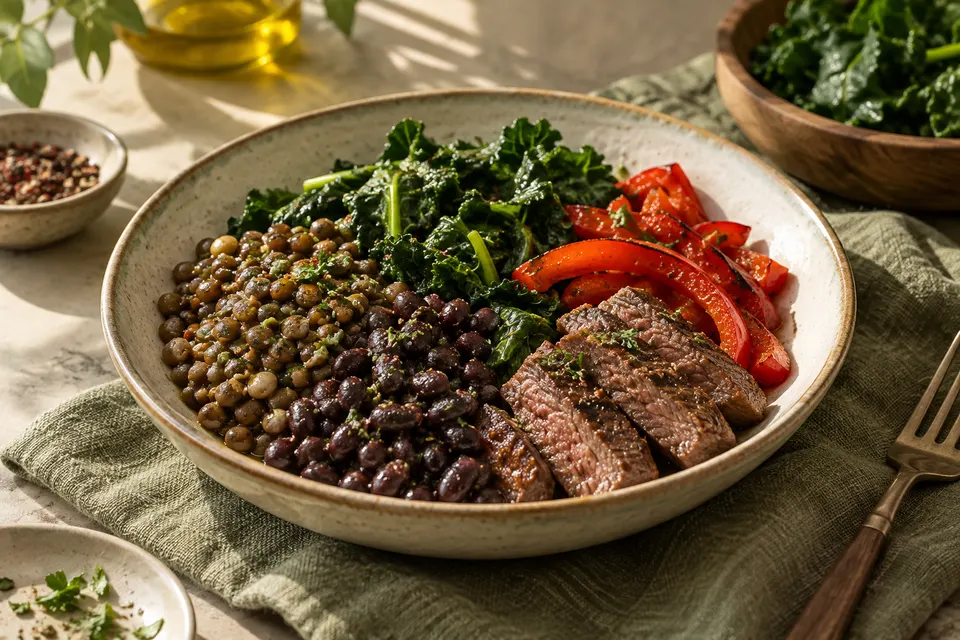
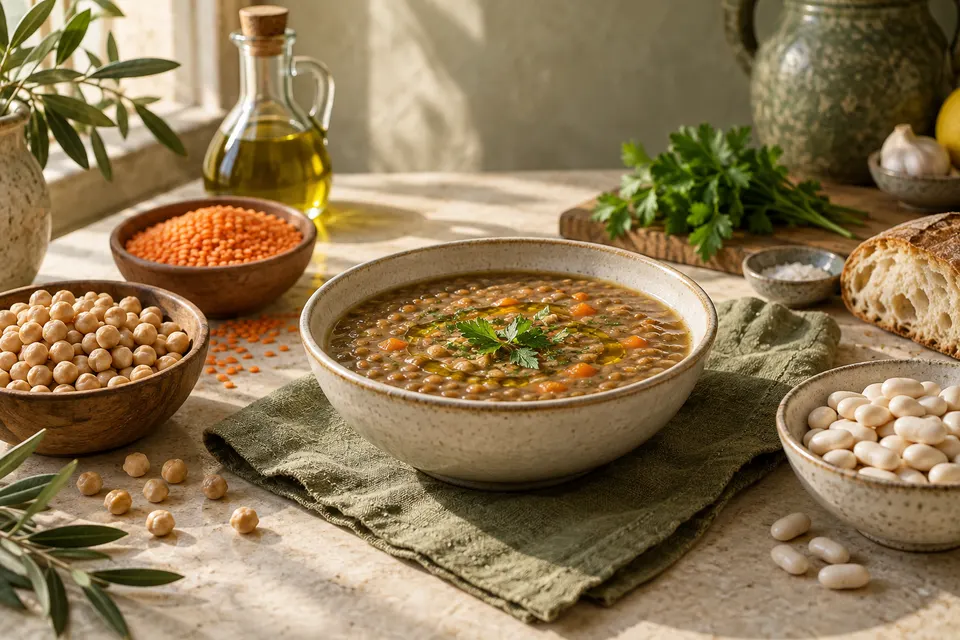
The dry edible pulses described by FAO, including lentils and chickpeas, provide protein and fibre. They are more than a side dish, but they are not nutritionally identical to meat. Consider the composition of the whole meal and the variety of foods you eat across the week.
Dried or already cooked
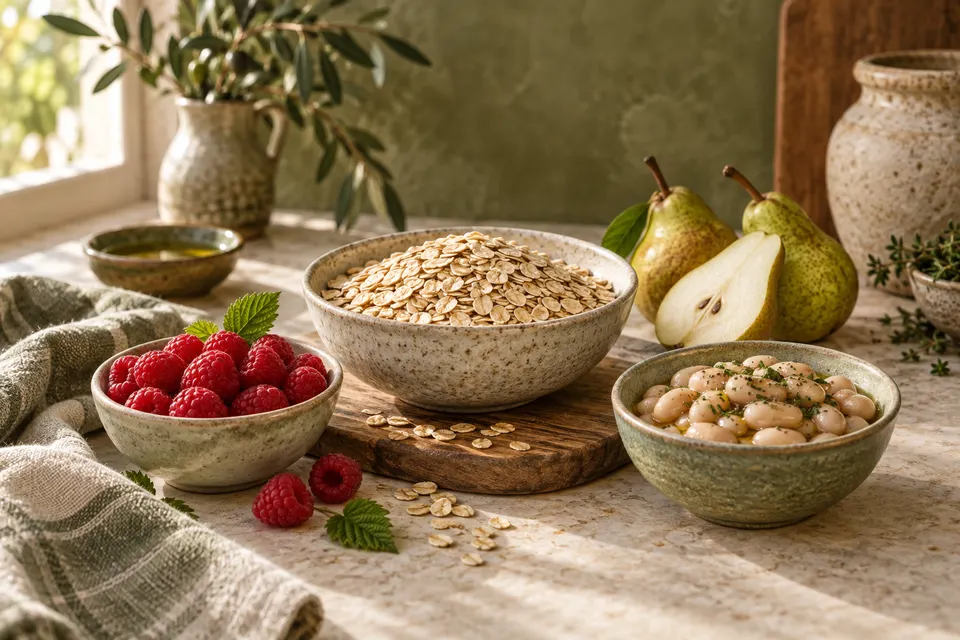
Follow package instructions for soaking and cooking dried pulses; cooked products may be more convenient. Check ingredients and salt in canned versions. When comparing prices, use the amount you can actually eat, such as drained weight, and consider how much time you have available for preparation.
Three uses for one ingredient
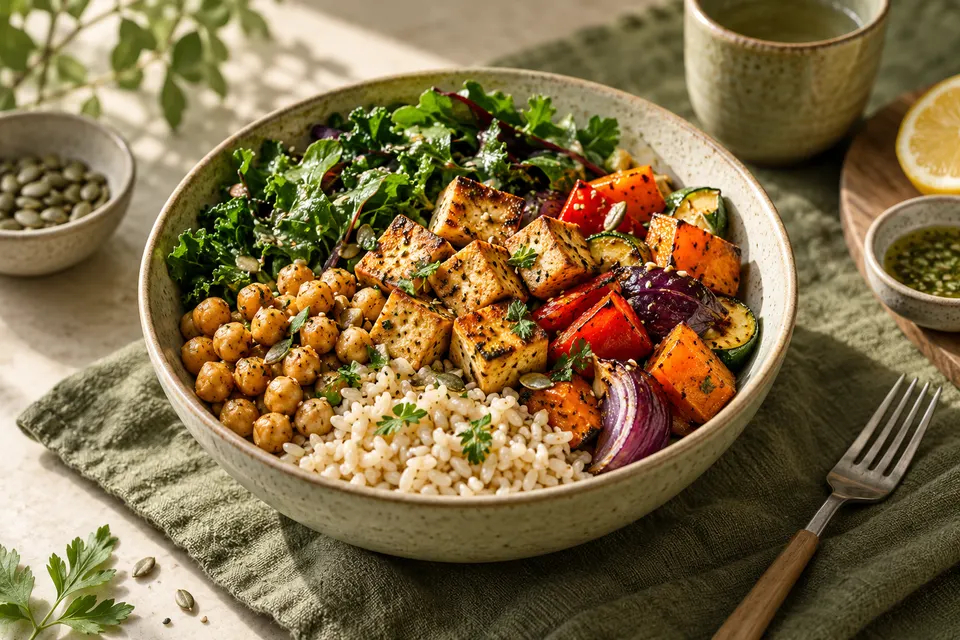
Example: buy chickpeas for a grain-and-vegetable salad, a spread to serve with bread and a stew. Different textures and seasonings make these distinct meals. Prepare only quantities you can store safely, and promptly freeze suitable portions intended for later days rather than leaving everything refrigerated.
Log the correct food state
A recipe asking for 150 g cooked chickpeas does not require 150 g dried chickpeas. Record the food state in both your shopping list and diary. If moving to an entirely plant-based diet, consider iron, calcium and a reliable vitamin B12 source, rather than focusing only on protein.