Label serving versus your portion
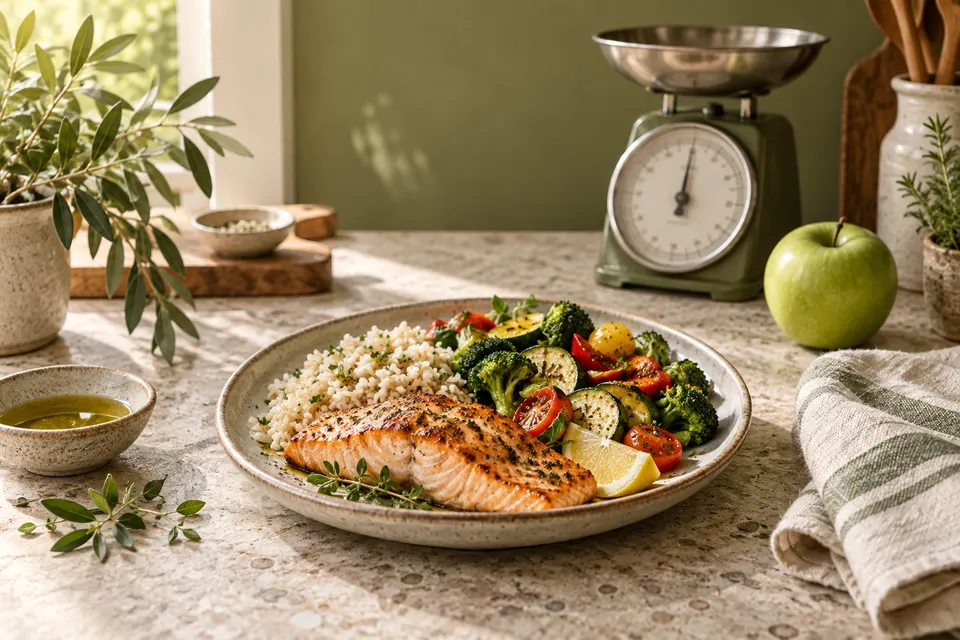
NIDDK distinguishes the amount listed on a label from the amount you choose to eat. They can differ. One package may contain several servings, while a recipe may be divided differently from its instructions. Before logging calories, establish which amount the figures actually describe.
Dividing a recipe
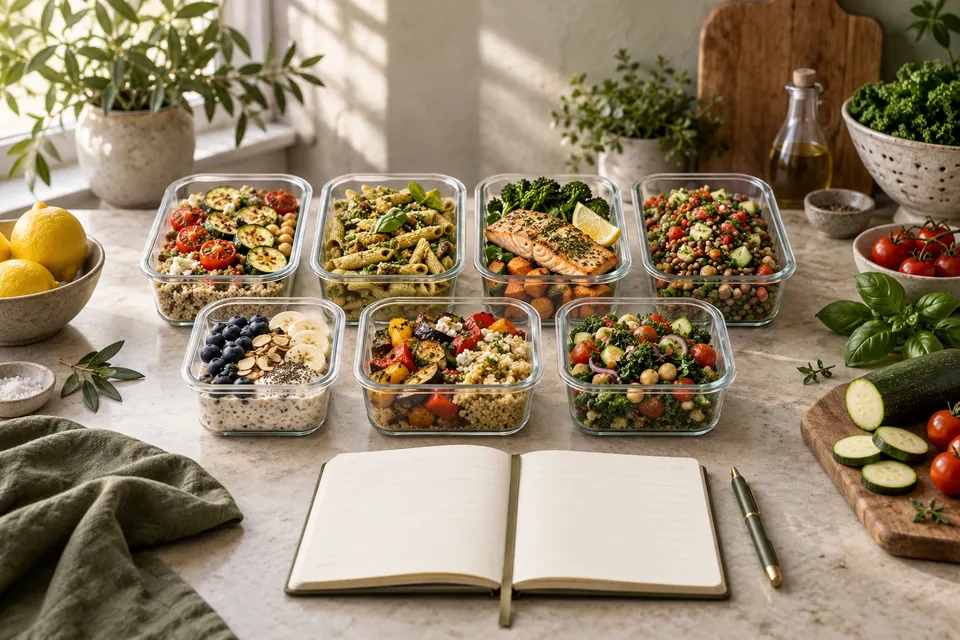
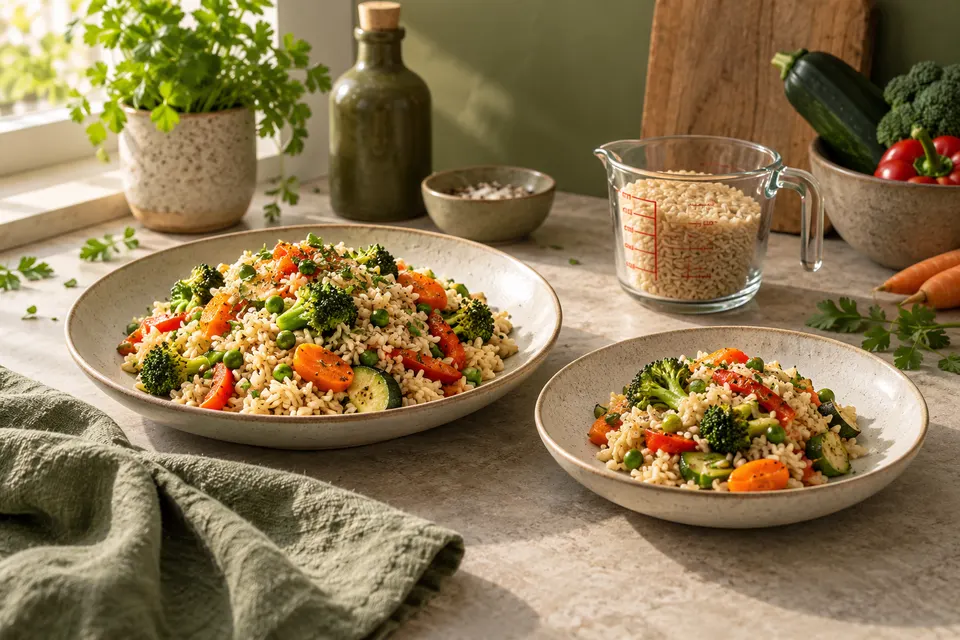
Example: a complete dish is estimated at 1,800 kcal. Four equal portions provide approximately 450 kcal each; six provide about 300. To divide by weight, weigh the finished total and each portion. This remains an estimate based on the ingredients and their even distribution throughout the dish.
Do not mix raw and cooked entries
Water absorbed or lost during preparation changes weight. Use nutrition data matching the state in which you weigh ingredients. Do not apply a value for 100 g dry rice to the weight of cooked rice. Dressings and other added ingredients belong in the total too.
Choosing an amount that suits you
Needs also depend on activity and individual characteristics. Standard servings describe food; they do not replace assessment. If measuring every meal creates anxiety, a professional can help you use less rigid tools. A diary should support organisation rather than demand impossible precision from every meal.