A pattern, not one ingredient
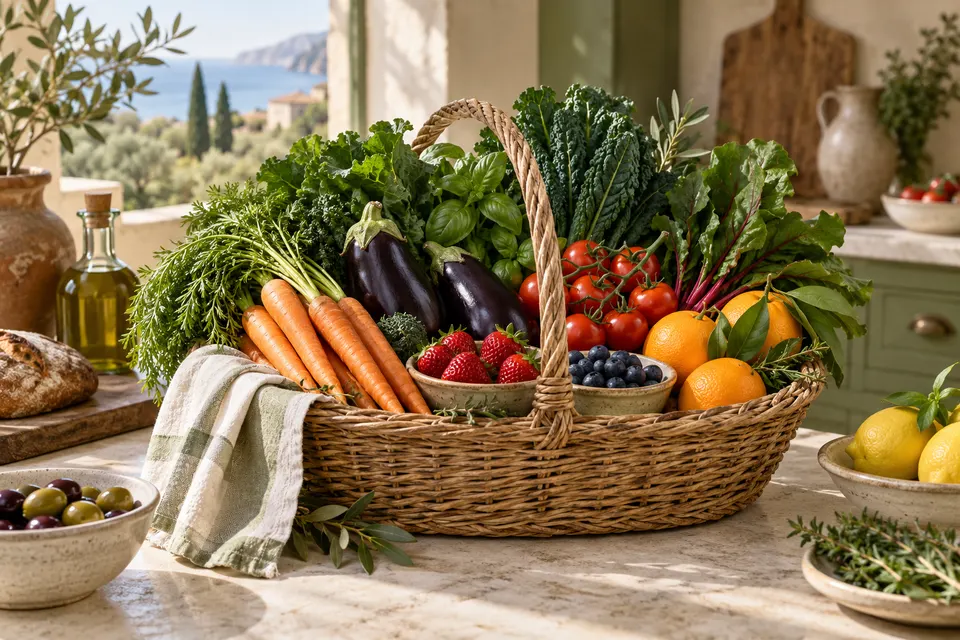
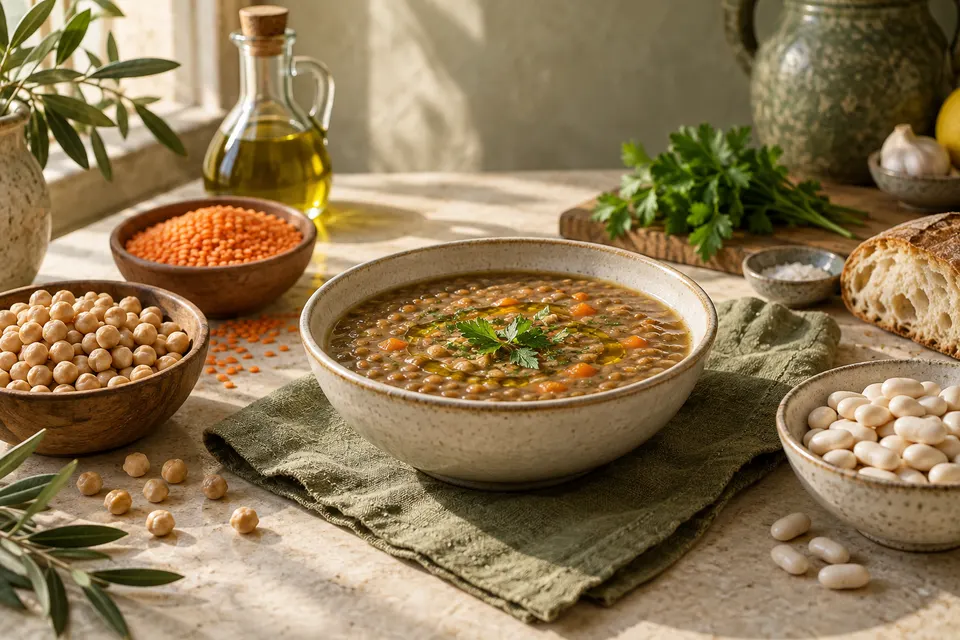
The Mediterranean pattern described by the NHS features vegetables, pulses, nuts, olive oil and varied protein sources. Adding olive oil to any meal is not enough to reproduce it. Look at how foods work together and the place plant foods occupy across your entire week.
A flexible meal example
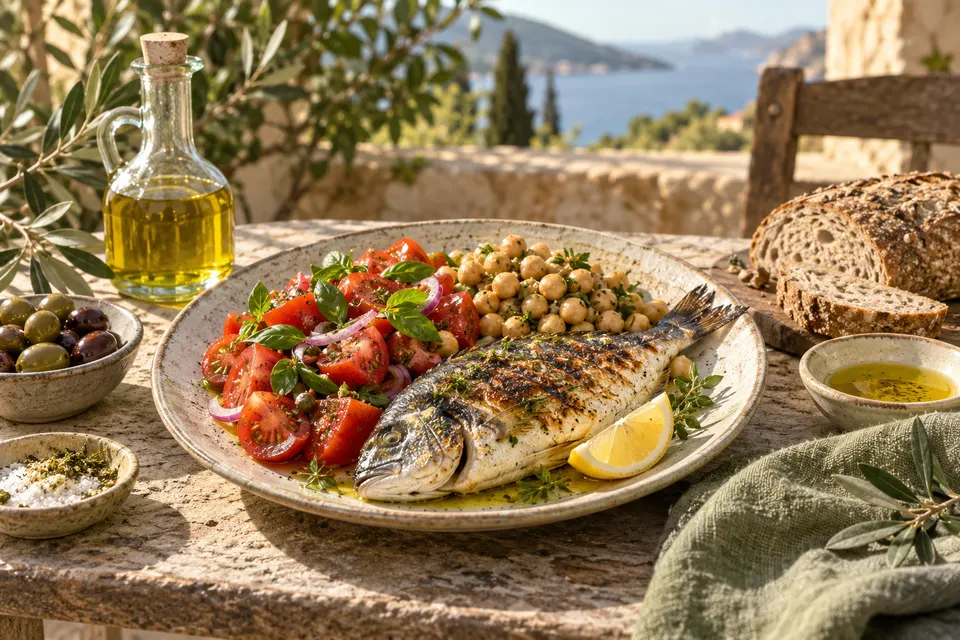
You could combine a grain, chickpeas, tomatoes and an olive-oil dressing for lunch, then choose fish with vegetables and bread another evening. These are cooking ideas, not prescribed portions. Substitute according to availability, preferences, allergies and any personal clinical advice you already follow.
Frequency and quantity matter too
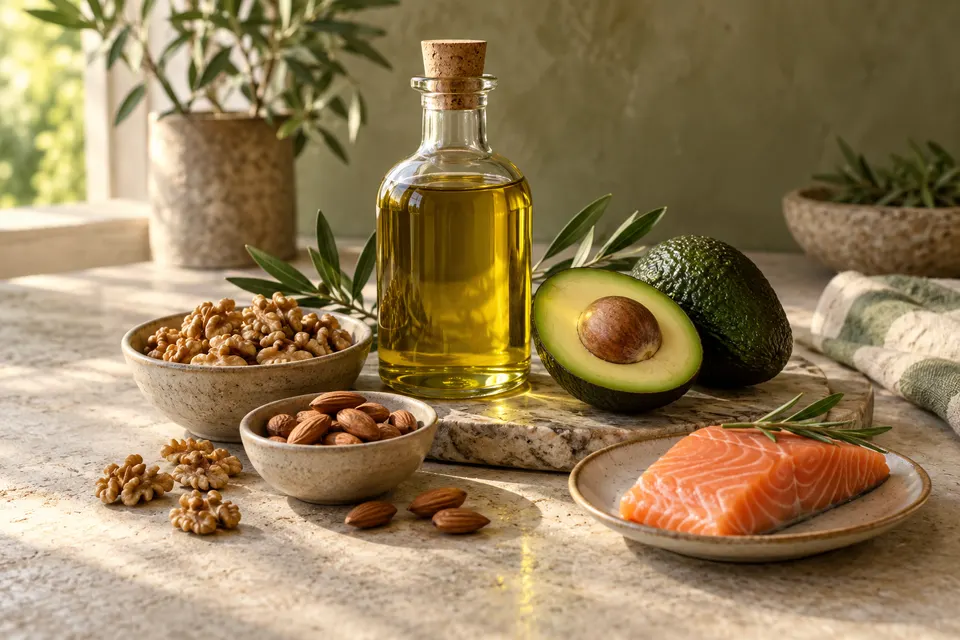
Nuts and oils provide energy while also having a place in a balanced diet. Include dressing in a recipe rather than treating it as nutritionally irrelevant. A good-quality dietary pattern does not automatically produce an energy deficit or guarantee a particular change in body weight.
Build a practical shopping list
Try choosing two vegetables, one pulse and two protein sources to alternate, then match them with grains already in your cupboard. Check what is missing before buying more. If you have a medical condition or take medicines, discuss major dietary changes with your clinician; this example is not a therapeutic diet.